





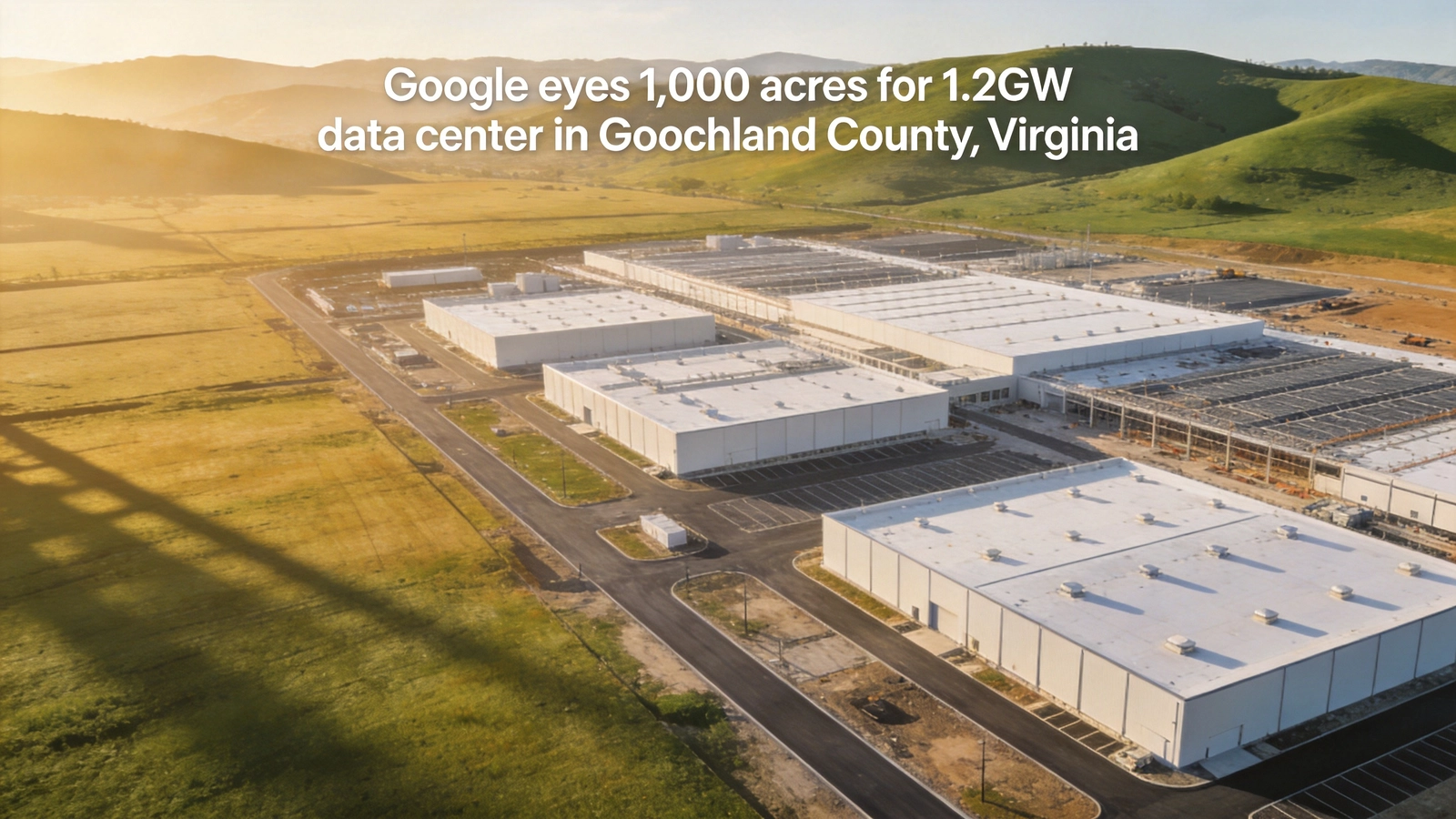
No firm plans have been finalized, with Google still evaluating the site and conducting due diligence. Clay Allsop, a Google regional public affairs manager, said the company has more than two decades of experience responsibly building data centers and is optimistic about the opportunity in Goochland County, adding that Google is committed to working transparently with residents and local government leaders every step of the way as due diligence continues.
The prospect of a campus of this scale has already stirred concern among local residents, who worry about noise, pollution and nighttime lighting. Goochland resident Cynthia Haas said all of these things are going to happen to Goochland and will dramatically change the way the county looks. The unease reflects a broader tension across Virginia, where data center growth has brought economic benefits alongside mounting scrutiny over land use, power demand and community impact.
Goochland's Board of Supervisors previously approved a Technology Overlay District and Technology Zone aimed at attracting business investment and increasing tax revenue, signaling the county's interest in courting large technology tenants. The potential Google project would arrive alongside other proposed development in the area: Tract is also looking to develop an 872-acre campus at the Tuckahoe Technology Park, on land at 44 Cobblestone Circle and 70 Fleetwood Lane bounded by Hockett Road to the west, Route 288 to the east and Patterson Avenue to the south. Site plans suggest 12 buildings could be developed there, with the multi-phase campus potentially totaling 900MW at full build-out and more than $3 billion in investment.
For Google, the Goochland site would represent a substantial addition to its data center portfolio at a time when hyperscalers are racing to secure land, power and permitting for AI and cloud workloads. A 1.2GW campus would rank among the largest single data center developments contemplated in Virginia, underscoring how power availability and local approval processes have become decisive factors in where major technology companies choose to build.